What Causes Textured Skin?
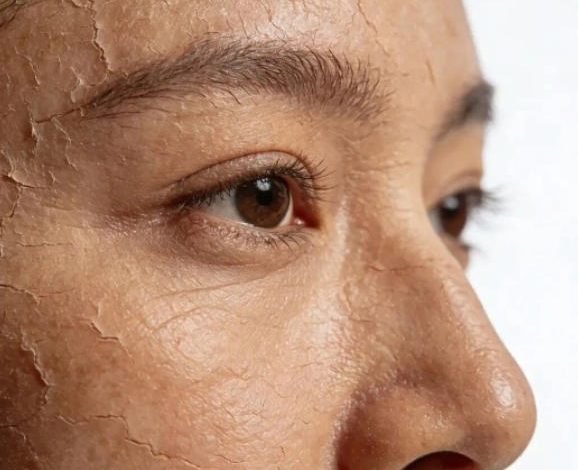
Textured skin is a common concern that affects many people, often showing up as rough patches, small bumps, or an uneven surface. While it may seem like a simple cosmetic issue, understanding the causes of textured skin is essential for finding the right solution.
One of the most frequent causes is dead skin buildup. When old skin cells are not shed properly, they accumulate on the surface, making the skin feel rough and look dull. This can also contribute to another major factor—clogged pores. When pores become blocked with oil, dirt, and dead cells, they create bumps and irregular texture across the skin.
Dehydration is another key contributor. When the skin lacks sufficient moisture, it loses its smooth, plump appearance and can become uneven or flaky. Even oily skin types can experience dehydration, which often worsens overall texture.
In addition, collagen loss plays a significant role, especially as we age. Collagen is responsible for keeping the skin firm and structured. As levels decline over time, the skin becomes less smooth and more prone to fine irregularities.
These combined factors explain why textured skin requires more than just surface-level fixes—it often reflects deeper imbalances in how the skin renews and maintains itself.
Skincare Solutions That Improve Skin Texture
Improving skin texture often starts with building a consistent skincare routine that targets the root causes of roughness and unevenness. While no single product can transform the skin overnight, combining the right ingredients can gradually improve skin smoothness and restore a healthier appearance.
One of the most effective steps is exfoliation, especially with ingredients like AHA (alpha hydroxy acids) and BHA (beta hydroxy acids). These help remove dead skin cells that accumulate on the surface, unclog pores, and reveal fresher, smoother skin underneath. Regular exfoliation also supports healthy skin renewal, allowing new cells to emerge more evenly.
Hydration is equally important. Ingredients such as hyaluronic acid attract moisture to the skin, helping it appear plumper and reducing the visibility of rough patches. Well-hydrated skin naturally feels softer and looks more refined. In addition, niacinamide is widely used for its ability to strengthen the skin barrier, regulate oil production, and improve overall texture over time.
However, it’s important to understand the limitations of these methods. Most skincare products work primarily on the surface layer of the skin, meaning results can be gradual and require consistent, long-term use. While they are essential for maintaining healthy skin, deeper structural concerns may need more advanced solutions to achieve lasting improvements.
How Red Light Therapy Boosts Skin Renewal from Within
When surface-level skincare isn’t enough to smooth uneven texture, targeting the skin’s internal renewal process becomes essential. This is where red light therapy offers a deeper, more advanced solution. By delivering specific wavelengths of light into the skin, it activates biological processes that help restore balance and improve overall skin quality from within.
One of its primary effects is that it boosts cell turnover. This means the skin can shed old, damaged cells more efficiently and replace them with newer, healthier ones. As a result, the surface gradually becomes smoother and more even. At the same time, red light therapy helps stimulate collagen production, which is critical for maintaining skin structure. Increased collagen levels support firmer, more refined skin and reduce the appearance of irregular texture.
In addition, red light therapy works to improve circulation, enhancing the delivery of oxygen and nutrients to skin cells. Better circulation accelerates the repair process and contributes to a healthier, more radiant complexion.
Red Light Therapy Full Body helps improve skin smoothness by supporting deeper skin regeneration. This makes it particularly effective for concerns such as rough skin texture, uneven pores, and dull skin tone.
By addressing the root causes of texture rather than just the symptoms, red light therapy provides a more comprehensive and long-lasting approach to achieving smoother, healthier-looking skin.
A Complete Routine to Achieve Smoother Skin
Achieving smoother skin isn’t about relying on a single product—it requires a structured routine that combines consistent care with deeper support. By layering the right steps, you can address both surface imperfections and the underlying causes of uneven texture.
The first step is cleansing and exfoliation, which forms the foundation of any effective routine. Gentle cleansing removes dirt and excess oil, while regular exfoliation helps eliminate dead skin cells that contribute to roughness and clogged pores. This step creates a cleaner, more even base for the rest of your skincare.
Next comes hydration and repair, which are essential for maintaining skin balance. Using moisturizers with ingredients like hyaluronic acid helps keep the skin plump, while repair-focused ingredients such as niacinamide strengthen the skin barrier and improve overall texture. Consistency at this stage ensures that the skin remains resilient and less prone to dryness or irritation.
For deeper, longer-lasting improvement, incorporating technology-based treatments can make a significant difference. Adding Red Light Therapy Full Body to your routine can enhance long-term results beyond topical skincare by supporting cellular renewal, improving circulation, and boosting collagen production.
By combining these three layers—cleansing, hydration, and advanced repair—you create a more complete skincare system. Smoother skin isn’t just about removing imperfections—it’s about improving how your skin functions from the inside out.