What Does Meidensha Do? Power and Automation from Japan

When we talk about Japanese industrial champions, names like Mitsubishi Electric or Hitachi often come up first. But behind the scenes, there is another century-old company playing an equally vital role in shaping Japan’s infrastructure and global energy future—Meidensha Corporation (明電舍). Founded in 1897, Meidensha has spent more than 125 years developing power systems, automation solutions, and green technologies that keep cities, industries, and transport networks running smoothly. Today, in an era defined by carbon neutrality targets and climate urgency, Meidensha is quietly becoming a leader in eco-friendly electrical equipment, from vacuum circuit breakers that eliminate greenhouse gases to advanced drive systems for trains and water treatment plants. To me, Meidensha represents the Japanese way of industrial innovation: quiet, precise, and focused on long-term societal value rather than short-term headlines.
Company Overview
Meidensha Corporation is one of Japan’s five major heavy electrical machinery manufacturers, often mentioned alongside Toshiba, Hitachi, Mitsubishi Electric, and Fuji Electric. Headquartered in Tokyo, the company is part of the Sumitomo Group, one of Japan’s most influential industrial keiretsu networks.
Key facts:
- Founded: 1897
- Capital: ¥170.7 billion
- Employees: ~7,000
- Group companies: ~40 worldwide
- Core Areas: Power generation and transmission, substation equipment, industrial automation, water treatment systems, rail transport solutions
Though not as visible to consumers, Meidensha’s technologies underpin daily life. Its products are embedded in power grids, factories, subway systems, and increasingly in renewable energy projects.
Historical Background: From Tokyo Workshops to Global Reach
Meidensha began in the late 19th century repairing and producing electrical motors during Japan’s early industrialization. Its reputation grew steadily as it supplied reliable motors and transformers to support the country’s modernization.
Over the decades, the company diversified into:
- Power infrastructure (transformers, circuit breakers, switchgear)
- Railway systems (traction motors, inverters, control systems)
- Industrial equipment (automation drives, testing systems)
- Environmental solutions (wastewater treatment, renewable energy integration)
What strikes me about Meidensha’s trajectory is how it consistently followed societal needs—first electrification, then mass transit, and now sustainability. It rarely chases trends, but when the market shifts, Meidensha adapts with high-quality, reliable engineering.
Core Business Segments
1. Power and Energy Systems
Meidensha produces a wide range of equipment for power utilities, including:
- Large-scale transformers for transmission grids
- Vacuum circuit breakers that avoid harmful SF₆ gas
- Substation systems with digital monitoring
- Renewable energy integration solutions
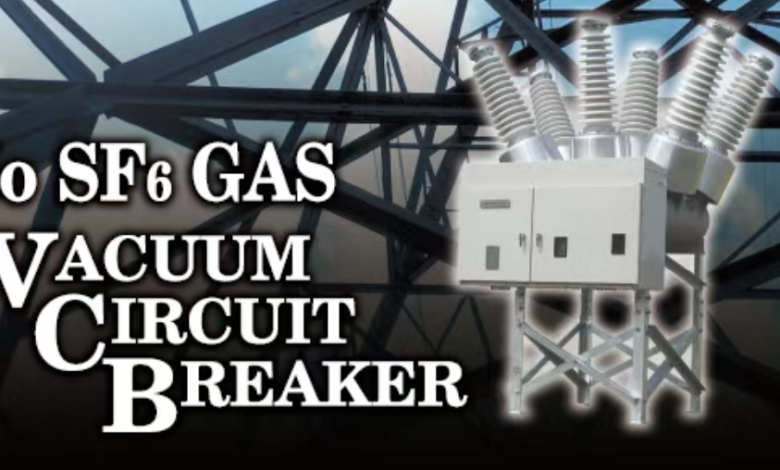
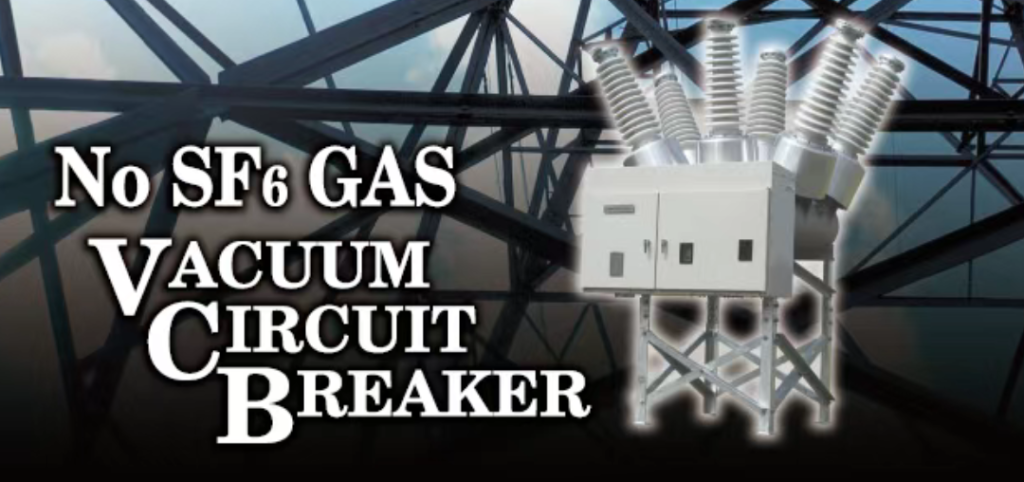
A flagship product is the dry-air insulated vacuum circuit breaker. Traditional breakers use sulfur hexafluoride (SF₆), a gas with a global warming potential 23,500 times higher than CO₂. By replacing SF₆ with dry air, Meidensha achieves a zero-GWP solution. This is not just a technical feat; it is a statement that electrical safety and climate responsibility can go hand in hand.
2. Industrial Automation and Drives
In factories across Japan and abroad, Meidensha provides:
- Inverters and drive systems for motor control
- Industrial automation equipment
- Testing and measurement systems
These solutions improve energy efficiency while enabling smart manufacturing. In my opinion, this positions Meidensha as a “hidden enabler” of Industry 4.0—its automation platforms may not be consumer brands, but they power the machines behind modern production.
3. Transportation Systems
Meidensha has long been involved in railway electrification. It supplies traction motors, power converters, and control systems to Japan’s railway operators and to international projects. Given Japan’s reputation for safe and punctual trains, being a supplier here is both a badge of honor and a responsibility.
4. Environmental and Water Systems
Another area where Meidensha stands out is water treatment technology. It provides pumping systems, monitoring solutions, and electrical controls for wastewater treatment plants. At a time when water scarcity and pollution are global issues, this business segment reflects how Meidensha connects engineering expertise with social infrastructure resilience.
Global Expansion
While deeply rooted in Japan, Meidensha has steadily expanded abroad. The company operates subsidiaries and factories in the United States, China, Singapore, and Europe. In recent years, it has focused on:
- Supplying eco-friendly substation equipment to Southeast Asia
- Building a manufacturing base in the United States for vacuum circuit breakers
- Supporting infrastructure modernization in China and India
This global footprint allows Meidensha to capture demand in fast-growing markets while sharing Japan’s strict safety and quality standards. Personally, I find it fascinating how a company founded in Tokyo more than a century ago now plays a role in shaping electricity grids on multiple continents.
Technology Innovation: Green Power at the Core
Dry-Air Insulated Vacuum Circuit Breakers
One of Meidensha’s most innovative contributions is its dry-air insulated VCB. Key advantages:
- Zero greenhouse warming potential (no SF₆)
- Maintenance-free vacuum interrupters
- Safe operation even in cold climates (-50°C)
- Simple design with minimal environmental risk
These products have gained traction not only in Japan but also in Europe and North America, where regulators are pushing to phase out SF₆.
Smart Grid and IoT Solutions
Meidensha also develops digital substation monitoring and IoT-enabled maintenance systems, allowing utilities to track performance and prevent failures. This shows how the company is embracing the digital transformation of infrastructure.
Transportation Electrification
With the global shift toward electric mobility, Meidensha is adapting its traction motor expertise to new applications such as electric buses and industrial EVs.
Corporate Philosophy and Culture
Meidensha’s corporate slogan—“Working for a Brighter Future”—captures its mission to combine industrial strength with social contribution. The company emphasizes:
- Quality and reliability above all
- Environmental responsibility through green technologies
- Partnership with local communities in every region where it operates
Culturally, Meidensha reflects a low-profile Japanese engineering ethos: focusing on practical results rather than flashy marketing. To me, this is refreshing in a world often obsessed with hype.
Challenges Ahead
Like any industrial player, Meidensha faces significant challenges:
- Energy Transition Pressure – It must balance profitability with investment in green technologies.
- Global Competition – Rivals from China, Korea, and Europe are aggressively expanding in power and automation.
- Digital Disruption – Industrial customers expect IoT, AI-driven monitoring, and cybersecurity—all areas requiring ongoing R&D.
- Geopolitical Risks – As a supplier to infrastructure projects, Meidensha is sensitive to global trade tensions.
Yet, I believe Meidensha’s conservative financial discipline and long-term partnerships give it resilience. It is not chasing quarterly growth but building a foundation for decades.
Meidensha in China: Supporting Green Development
Meidensha established Meidensha (Shanghai) Enterprise Management Co., Ltd. in 2014. This subsidiary coordinates sales and services in China, where demand for high-quality, eco-friendly infrastructure products is soaring.
The company supplies:
- Power equipment for factories and utilities
- Water treatment systems for municipalities
- Vacuum circuit breakers for industrial parks
In my opinion, this expansion is strategic. China’s commitment to carbon neutrality aligns with Meidensha’s product strengths, making it a win-win growth area.
Personal Reflection: Why Meidensha Matters
As someone who follows Japanese industry closely, I often think about the hidden players. Toyota dominates headlines, Sony shapes consumer tech, but companies like Meidensha keep the foundations of modern life running.
What I admire most is Meidensha’s quiet persistence. It is not the most famous name, but its technologies protect power grids, make trains run, and help cities treat wastewater—all without fanfare. In an era of climate urgency, this kind of grounded, practical innovation feels more important than ever.
Conclusion: Powering the Future, Silently but Surely
So, what does Meidensha do? The answer is simple yet profound: it provides the power, automation, and environmental systems that make modern life possible. From transformers to train motors, from water treatment plants to green vacuum circuit breakers, Meidensha is an invisible champion of infrastructure.
Looking ahead, its success will depend on how well it navigates the global push for decarbonization, digitalization, and electrification. Based on its history and steady innovation, I am confident Meidensha will continue to play a vital role—not just in Japan but worldwide.
For me, Meidensha embodies the soul of Japanese engineering: reliable, modest, and relentlessly focused on creating a better future.