From Toyota’s Shadow to Global Leadership
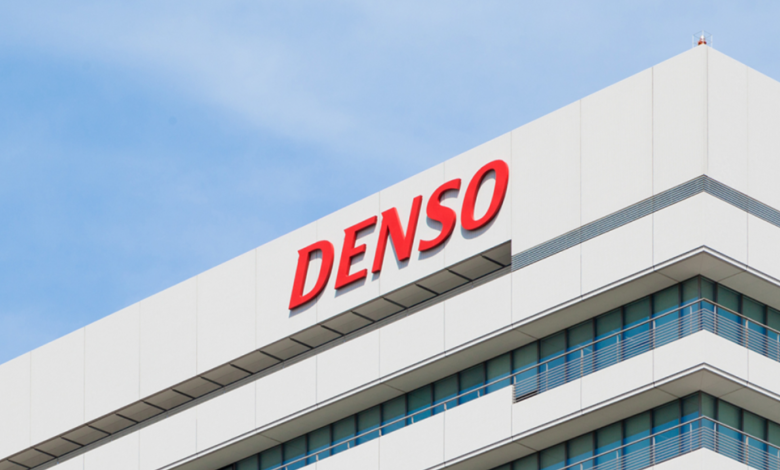
Denso Corporation, founded on December 16, 1949, in Aichi Prefecture, began as a spin-off from Toyota Motor. Its early years were not easy—at one point, the company even manufactured home appliances such as washing machines to survive. Ironically, its washing machine once topped Japan’s sales charts. Yet, under Toyota’s influence, Denso soon returned to its true calling: automotive components.
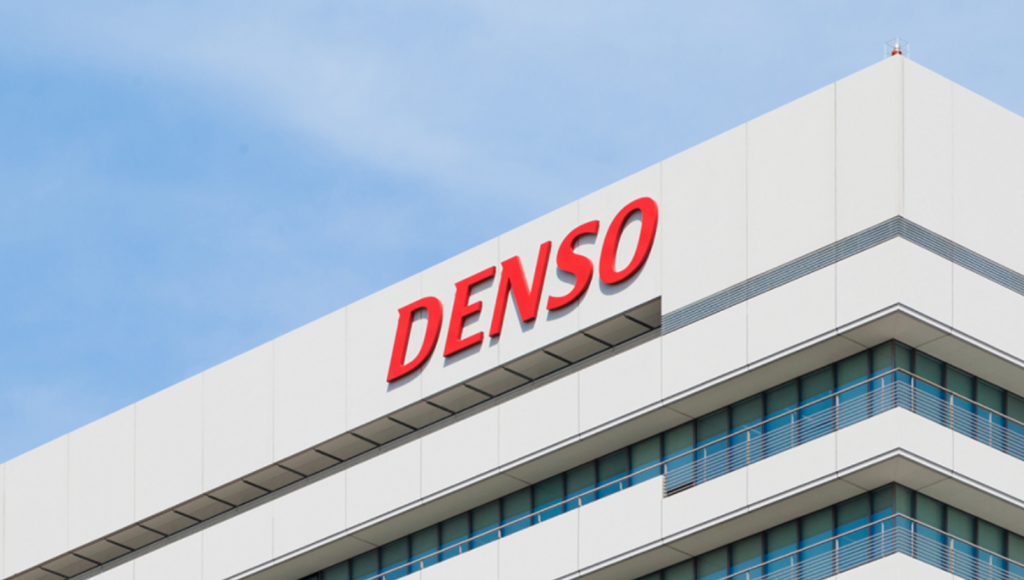
The company’s global journey took a decisive turn in 1953, when it signed a technical assistance agreement with Bosch. This partnership significantly elevated its technological capabilities. By 1966, Denso had established its first overseas sales office in Chicago, marking the start of its international expansion. Since then, the company has built a global footprint, with over 200 subsidiaries in 30+ countries and a workforce of nearly 170,000 employees. By 2005, Denso had secured a place in the Fortune Global 500 and has remained a steady presence in the top 300 ever since.
A Broad and Innovative Product Portfolio
Denso’s product portfolio is vast, covering automotive air conditioners, radiators, spark plugs, fuel management systems, instrument clusters, filters, electronic control units (ECUs), robotics, and environmental systems. According to industry data, the company holds global leadership in about 21 product categories.
Its global revenue distribution is also noteworthy—approximately 60% of sales are generated outside Japan, highlighting its strong international presence. In China alone, Denso has developed more than 30 associated companies, including joint ventures like Yantai Shougang Denso and its China investment headquarters established in 2003. With around 17,000 employees in China, the company has built a comprehensive system for production, sales, R&D, and after-sales service.
Cutting-Edge Technologies
Denso has earned its reputation not just through scale, but through continuous innovation in automotive technology:
- High-Pressure Common Rail Fuel Injection Systems: Deliver precise, electronically controlled fuel injection, reducing emissions and improving efficiency.
- Intelligent Valve Control: Manages valve timing and lift with accuracy, optimizing combustion and fuel economy.
- Exhaust Gas Recirculation (EGR) Systems: Reduce nitrogen oxide emissions by recycling exhaust gases back into the intake system.
- Advanced Sensors: From oxygen sensors to camshaft position sensors, Denso provides highly accurate monitoring tools that enable ECU-driven engine optimization.
These innovations are not mere engineering feats—they reflect Denso’s philosophy of combining efficiency, sustainability, and reliability, which positions the company at the forefront of global automotive transformation.
A Culture of Learning and Humility
One of the aspects I find most fascinating about Denso is its cultural DNA. The company has always operated with a spirit of humility—what many might call “low-key.” This isn’t modesty for its own sake, but a strategic posture that allows for careful observation, continuous learning, and steady innovation.
From its early days of learning from Bosch to today’s role as a global leader, Denso has never lost its willingness to learn. It has institutionalized lifelong training for its talent, offering tiered programs that strengthen technical and managerial skills alike. In a fast-changing industry, this learning culture provides stability and long-term vision.
Lessons from Denso’s Journey
In the ever-competitive world of automotive supply chains, Denso stands out as a lighthouse—steady, reliable, and quietly influential. For more than 70 years, it has grown not by chasing trends or market hype, but by investing in technical depth, quality control, and global integration.
For Chinese suppliers aiming to move up the value chain, Denso’s story offers an important lesson: global leadership is not built overnight, nor is it won by shouting the loudest. It comes from decades of consistency, partnerships, and an unwavering focus on both product excellence and customer trust.